Big Mama Blogs
Can Bamboo Fabric Be Dry Cleaned? Complete Care Guide
Bamboo fabric and cotton are two of the most popular textile materials used in clothing and home textiles, each offering unique advantages. It is derived from the pulp of the bamboo plant and processed into a soft, lightweight, and breathable textile. Its moisture-wicking properties and natural antibacterial qualities make it ideal for hot and humid climates like Malaysia.
Cotton, on the other hand, is a long-established staple in the textile industry. It is celebrated for its softness, durability and versatility, making it suitable for everyday clothing, bed linen and towels. While both fabrics provide comfort and style, bamboo fabric is increasingly preferred in Malaysia, especially in Kuala Lumpur, for its cooling properties and eco-friendly appeal.
Bamboo Fabric vs Cotton: Comfort, Cooling, and Hygiene
Cooling and Breathability
One of the main reasons people choose bamboo fabric over cotton is its superior breathability and cooling effect. Bamboo fibres wick moisture away from the skin more effectively than cotton, keeping the wearer dry and comfortable.
This is particularly important in Malaysia’s tropical heat, where high humidity can make cotton garments feel heavier and retain sweat. Bamboo is ideal for T-shirts, activewear, pyjamas and bedding in Kuala Lumpur’s hot climate.
Antibacterial Properties
Bamboo fabric is naturally antibacterial, helping to reduce odour and maintain hygiene. This is especially useful for clothing and bedding that come into direct contact with the skin.
Cotton, while soft and durable, lacks these inherent antibacterial qualities and may require more frequent washing to stay fresh. Bamboo’s combination of softness, breathability, and hygiene makes it highly suitable for tropical climates.
Understanding Bamboo Fabric
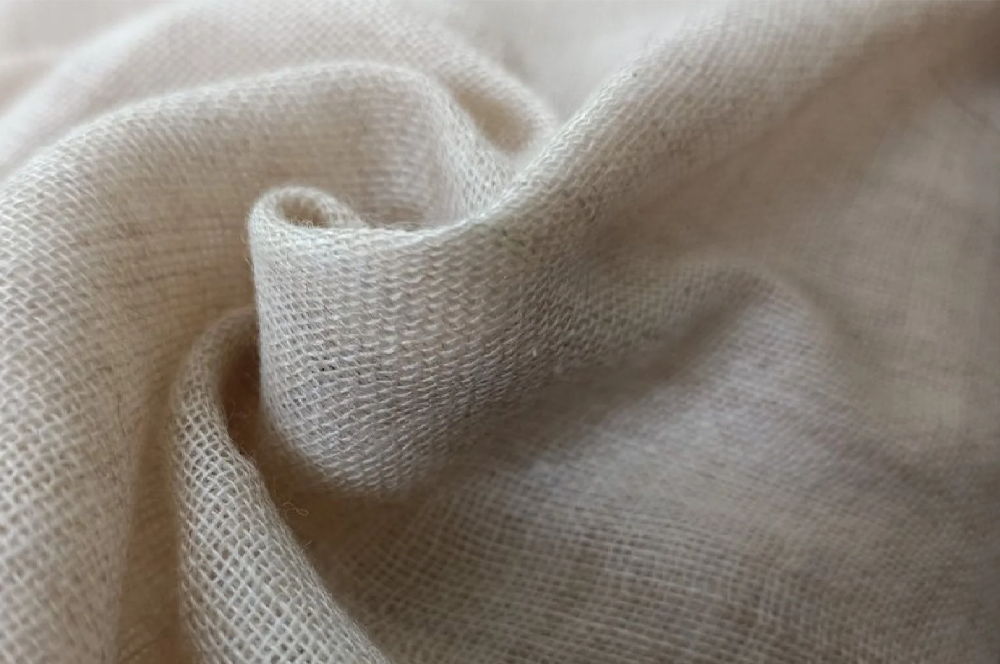
Most bamboo textiles on the market are bamboo viscose or bamboo rayon not raw bamboo fibres. Bamboo pulp is processed into regenerated cellulose fibres, retaining the soft and silky feel associated with natural bamboo.
Bamboo viscose is lightweight, smooth and drapes well, adding to its versatility. However, it can weaken if exposed to excessive water or harsh chemicals, making proper bamboo fabric care essential.
Common Uses of Bamboo Fabric in Clothing and Bedding
Bamboo fabric is widely used in everyday clothing because of its softness and cooling properties. In Malaysia’s hot weather, many people prefer bamboo for comfortable daily wear.
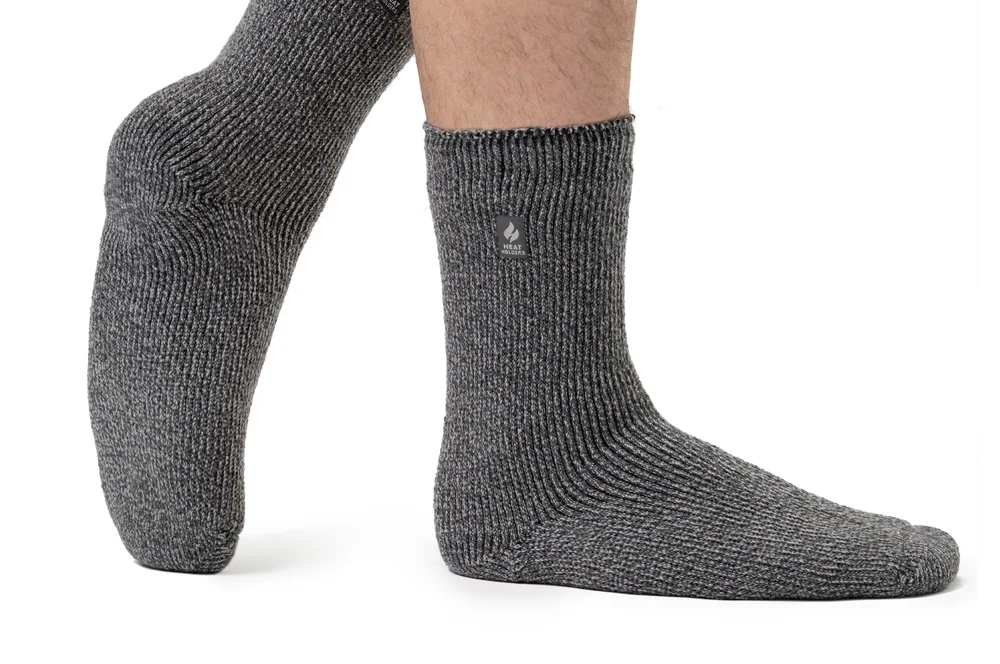
Common bamboo clothing items include T-shirts, innerwear, activewear, leggings, dresses, baby clothing and sleepwear. These garments benefit from bamboo’s moisture-wicking ability, which helps keep the body dry in humid conditions.
Bamboo is also popular for undergarments and loungewear, as the fabric feels smooth against the skin and reduces irritation. This makes it suitable for sensitive skin and prolonged wear in warm climates like Kuala Lumpur.

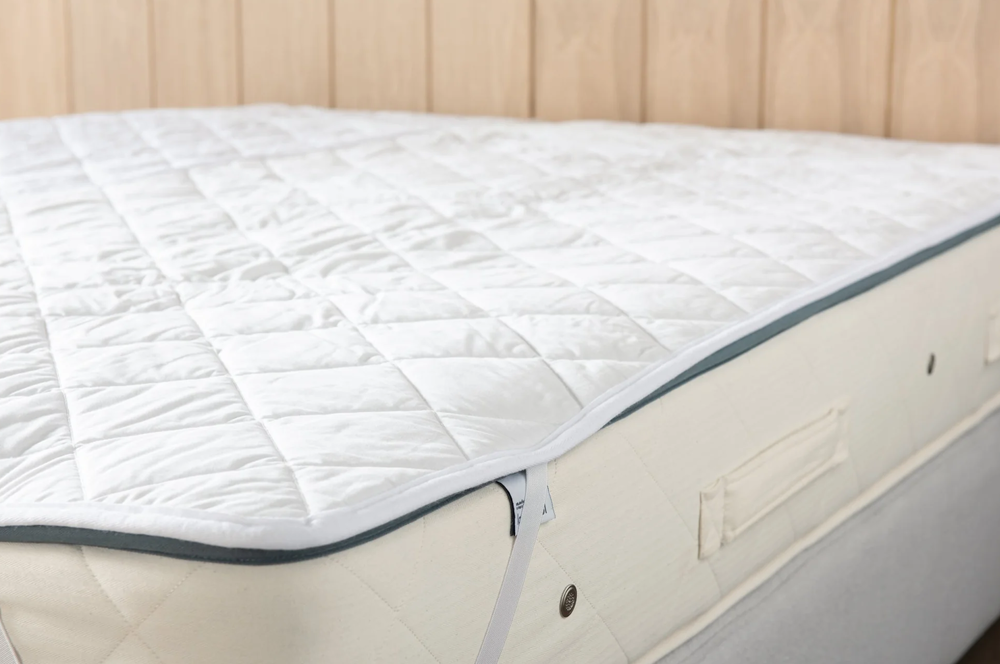
Beyond clothing, bamboo fabric is frequently used in bedding and home textiles. You will often find bamboo in bedsheets, pillowcases, duvet covers, comforters, and mattress protectors.
Bamboo bedsheets are especially popular in Malaysia because they feel cooler than traditional cotton sheets. The breathable fibres help regulate body temperature during warm nights.
Some manufacturers also produce bamboo towels and baby blankets, taking advantage of the fabric’s absorbency and antibacterial qualities. These features make bamboo suitable for both personal and household use.
Because bamboo fabric is used in such a wide range of garments and bedding, understanding how to wash or dry clean it properly is essential to prevent shrinkage, stretching or fibre damage.
Can Bamboo Fabric Be Dry Cleaned?
A common question is: can bamboo fabric be dry cleaned? The answer is yes, but it is not always necessary. Dry cleaning uses chemical solvents that may be too harsh for delicate bamboo fibres if done frequently.
Over time, dry cleaning can affect the fabric’s softness, reduce its antibacterial properties and impact moisture-wicking performance. Dry cleaning is most suitable for structured garments, premium bamboo pieces, or items blended with delicate fabrics such as silk or wool. It’s also recommended for any bamboo garment labeled “dry clean only.”

For everyday items such as T-shirts, loungewear, or bedsheets, gentle hand washing or a delicate machine cycle with mild detergent is sufficient. This helps keep the fabric soft, preserve its shape and avoid unnecessary chemical exposure.
How to Properly Wash Bamboo Fabric at Home
Washing Guidelines
To wash bamboo fabric safely at home:
- Use cold water to prevent shrinkage
- Select a delicate cycle or hand wash
- Use mild detergent free from bleach or strong chemicals
Drying and Storage
Avoid strong spinning and air dry instead of using a high-heat tumble dryer. It is also best to fold garments rather than hang heavy wet items to prevent stretching.
Proper washing and storage are especially important in Kuala Lumpur’s hot and humid climate, where moisture can accelerate fibre wear or lead to mildew and unpleasant odours.
Common Mistakes That Can Damage Bamboo Fabric
Bamboo fabric requires careful handling to maintain its luxurious feel. Common mistakes include:
- Washing in hot water, which can shrink or damage fibres
- Using strong chemical detergents
- High-speed spin cycles that stretch the fabric
- Tumble drying on high heat
- Hanging heavy wet garments
Avoiding these practices can retain its softness, texture, and cooling properties.
Bamboo Fabric vs Cotton in Daily Life
Bamboo fabric offers several advantages in hot climates:
- Cooling & Moisture Management: Wicks sweat more effectively than cotton
- Antibacterial Qualities: Helps reduce odour in humid conditions
- Softness: Silky and gentle on the skin
- Eco-Friendly: Requires less water and fewer pesticides than conventional cotton
Cotton is durable and versatile but tends to retain heat and moisture, which can be uncomfortable in tropical climates. Bamboo is often the preferred choice for loungewear, bedding and casual clothing in Malaysia.
When to Consider Professional Dry Cleaning
While gentle washing works for most bamboo fabrics, professional dry cleaning is recommended for structured or premium garments, items blended with delicate fabrics, or garments labeled “dry clean only.”
Professional dry cleaning helps preserve shape, texture, and softness, ensuring bamboo garments maintain their refined appearance without shrinkage or stretching.
FAQ: Bamboo Fabric Care in Hot Climates
Yes, bamboo viscose can shrink if washed in hot water or dried on high heat. Thus, it is recommended to use cold water and air drying this fabric.
Yes, casual items such as T-shirts and bed sheets can be washed on a gentle cycle with mild detergent. Avoid strong spinning.
Dry cleaning is recommended for structured garments, premium pieces, or bamboo fabrics blended with delicate materials such as silk or wool. Always follow the care label instructions for the best results.
Bamboo is softer, cooler, and wicks moisture better than cotton, making it ideal for humid climates like Kuala Lumpur.
Need Help With Bamboo Fabric Care?

If you are unsure how to clean bamboo garments or bedding, or whether dry cleaning is suitable, consider sending them to a professional cleaner like Big Mama. With the right cleaning techniques, delicate fabrics can be handled carefully to maintain their softness, structure, and overall quality.
For everyday bamboo garments, Big Mama also provides laundry cleaning suitable for regular load washes and routine care. This makes it easier to keep your T-shirts, pyjamas, and bedsheets fresh and comfortable in Malaysia’s hot and humid climate.
Our team always aims to restore fabrics as closely as possible to their original condition while also offering guidance on proper care. With the right cleaning approach, your bamboo clothing and bedding can remain soft, breathable, and long-lasting.
Choosing the Right Carpet for Bedroom Comfort and Style
After a long day, the bedroom is where everything slows down. It is the first place you step into to unwind and the last place you leave before starting a new day. This is why many homeowners choose a carpet for bedroom spaces. The soft texture underfoot, the warmth it adds to the room, and the quiet comfort it creates can instantly make a bedroom feel more inviting and restful.
Read more…How to Kill Bed Bugs on Mattress: What Works and What Doesn’t
You wake up with a few itchy spots on your arm. At first, you think it is just mosquito bites. Then you notice tiny dark marks along the mattress seams and a faint musty smell in your bedroom. The thought crosses your mind: could these be bed bugs? You search for how to kill bed bugs on mattress and quickly realise that not every tip online works for every situation.
Read more…Memory Foam Mattress Cleaning: How to Deep Clean It Properly
Memory foam mattresses are known for their comfort and ability to support the body during sleep. However, many people are unaware that memory foam mattress cleaning requires a different approach compared to traditional mattresses. Using the wrong cleaning method can trap moisture, damage the foam structure, and lead to unpleasant odours over time.
Read more…How to Clean Fabric Sofa Naturally at Home
Fabric sofas are used every day, making them one of the easiest places for dirt to build up over time. From relaxing after work to hosting guests during festive seasons, sofas often become the most used piece of furniture in the home. Dust, body oils, food crumbs, pet hair, and everyday dirt can accumulate faster than many people realise, which is why proper care and regular sofa cleaning services are important for long-term cleanliness.
Read more…How Steam Carpet Cleaning Works to Keep Your Carpet Fresh
Keeping your carpet clean is more than just a matter of appearance — it’s essential for a healthy and comfortable home. Over time, carpets accumulate dirt, dust, allergens, bacteria, and odours that regular vacuuming alone can’t remove. That’s where steam carpet cleaning comes in. This professional carpet cleaning method uses high-temperature steam to refresh carpet fibres, remove stains, and sanitise the surface.
Read more…Suede Shoe Cleaning Service: Is It Worth the Cost?
Suede shoes are known for their soft texture and premium look, but they are also one of the hardest types of footwear to maintain. Dirt, moisture, and stains can easily damage suede if handled incorrectly. This is why many shoe owners turn to a suede shoe cleaning service instead of risking DIY methods.
Read more…7 Common Types of Carpet Damage and How Professional Cleaning Helps
Carpets add warmth and comfort to a home, but everyday use can eventually lead to different types of carpet damage. From constant foot traffic and accidental spills to dust and humidity, common household factors can slowly affect the appearance and condition of carpets. In many homes, frequent use and the local climate can cause these issues to worsen over time, turning minor problems into stubborn stains, unpleasant odours, or visible wear.
Read more…Why Curtains Get Dusty in Condo Units So Quickly
Curtains may look clean from a distance, but if you live in a high-rise, you may have noticed how quickly curtains get dusty in condo units. Many residents are surprised to find a layer of grey dust on their curtains even when the rest of the home looks tidy.
Read more…How to Dry Clothes in Condo During Rainy Season
Living in a condo in Kuala Lumpur (KL) has many perks, but when the rainy season arrives, drying clothes can become a real challenge. Humidity, sudden showers, and limited balcony space make it difficult to get laundry fully dry. If you are wondering how to dry clothes in condo during rainy season, this guide will provide practical tips to keep your clothes fresh, dry, and ready to wear.
Read more…