
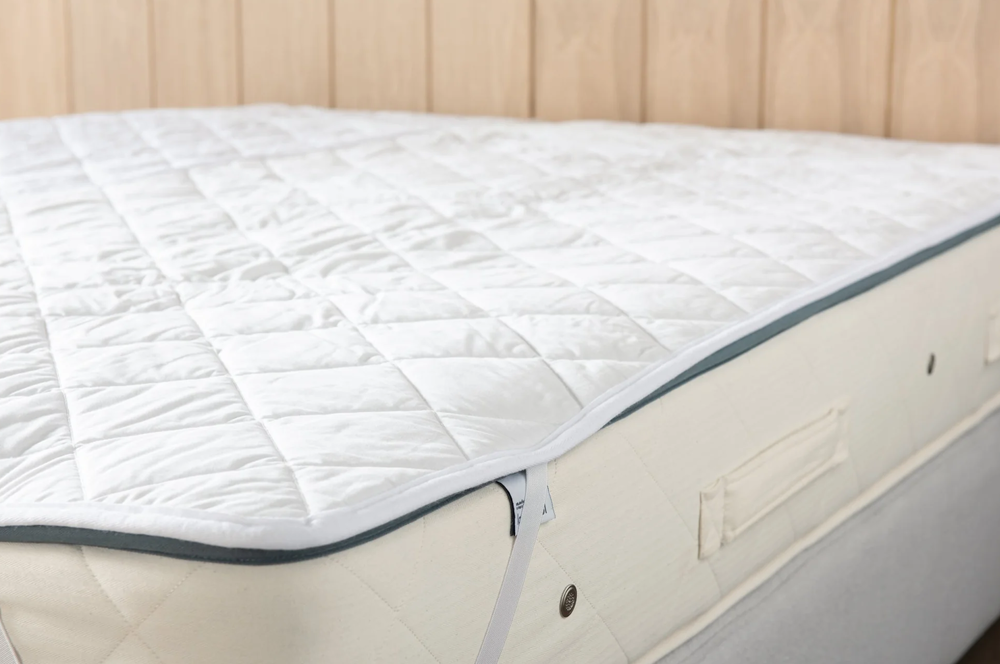
A mattress protector helps keep your bed clean by absorbing sweat, spills, and daily wear. However, in Kuala Lumpur’s humid climate, moisture and bacteria can build up faster than expected. Many people don’t prioritise washing mattress protector regularly, and often overlook what happens underneath.
While washing is an important step, it may not be enough to maintain a truly clean and hygienic sleeping environment. Understanding how to wash a mattress protector properly, as well as knowing when additional cleaning is needed, can make a significant difference to both comfort and hygiene.
Why Washing Your Mattress Protector Is Important
A mattress protector acts as the first layer of defence for your bed. It absorbs body oils, sweat, and accidental spills that would otherwise reach the mattress. Regular washing helps to:
- Remove surface dirt and odours
- Reduce bacteria and allergens
- Maintain freshness of your bedding
In Kuala Lumpur, where humidity levels are consistently high, mattress protectors can retain moisture more easily. This makes routine washing even more important to prevent odour and bacterial growth.
Can You Wash a Mattress Protector in a Washing Machine?
Most mattress protectors are designed to be machine washable, making them easy to maintain as part of your regular laundry routine.
When Machine Washing Is Suitable
- Standard cotton or polyester protectors
- Products labelled as machine washable
- Protectors used under normal daily conditions
When to Be More Careful
- Protectors with waterproof backing
- Delicate or premium materials
- Older protectors that may have weakened layers
Always check the care label before washing to avoid damage and ensure proper cleaning.
Step-by-Step Guide to Washing a Mattress Protector
Following a simple and consistent method can improve cleaning results:
- Check the care label for washing instructions.
- Use a mild detergent to avoid fabric damage.
- Wash in cold or warm water.
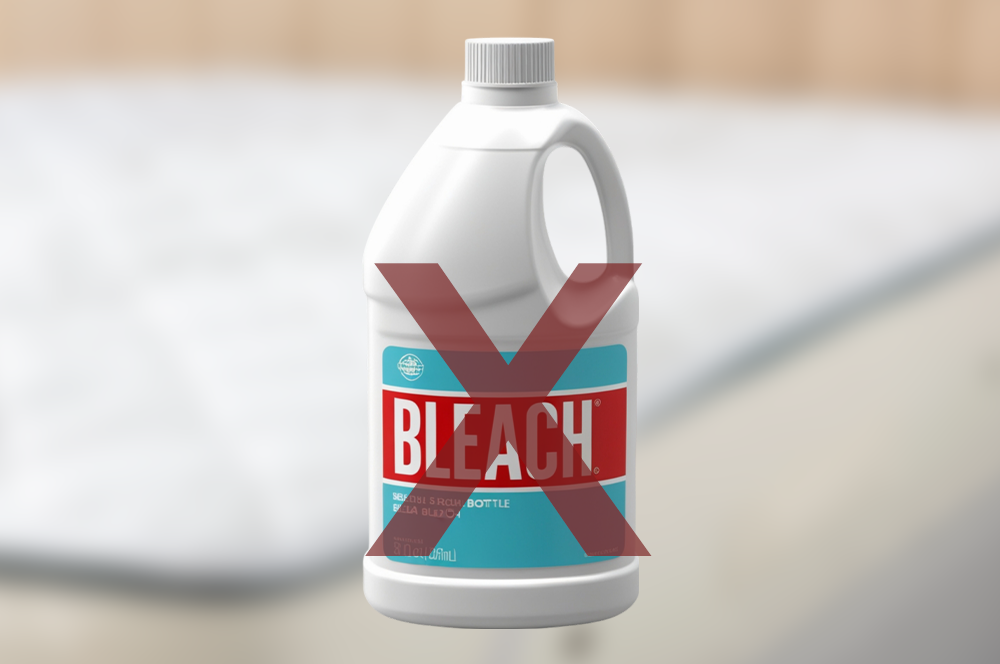
- Avoid bleach or harsh chemicals.
- Rinse thoroughly to remove detergent residue.
Keeping the process simple helps maintain both hygiene and the condition of the protector.
How to Dry a Mattress Protector Properly
Drying is just as important as washing.
- Use low heat if using a dryer
- Air dry when possible
- Avoid high heat, as it may damage waterproof layers
In humid conditions like Kuala Lumpur, improper drying can leave moisture trapped inside, which may lead to odour over time.
Why Drying Matters More in Kuala Lumpur
In Kuala Lumpur, high humidity can slow down the drying process significantly. Even if a mattress protector feels dry on the surface, moisture may still be trapped inside. This can lead to:
- Musty odours
- Bacteria growth
- Reduced freshness after washing
Ensuring complete drying is essential to maintain hygiene, especially in apartments or enclosed living spaces.
Does a Mattress Protector Fully Protect Your Mattress?
A mattress protector helps reduce direct contact with sweat and dirt, but it does not provide complete protection over time. This is because:
- Moisture can gradually pass through the fabric
- Waterproof layers may weaken after repeated washing
- Small amounts of sweat and bacteria can still reach the mattress
Because of this, washing the protector regularly is important, but it should not be seen as the only step in maintaining overall bed hygiene.
What Happens If You Do Not Wash Your Mattress Protector Regularly?

If a mattress protector is not cleaned often, it can accumulate:
- Sweat and body oils
- Dust and allergens
- Bacteria that cause odour
Over time, this can affect both hygiene and comfort. In some cases, the build-up of allergens and bacteria may also contribute to skin irritation or mild allergic reactions, especially for those with sensitive skin. In humid conditions, trapped moisture may further increase the risk of unpleasant smells and hygiene issues developing more quickly.
Common Mistakes When Washing a Mattress Protector
Avoiding common mistakes can help maintain both cleanliness and durability:
- Using high heat during washing or drying
- Overloading the washing machine
- Using too much detergent
- Not drying the protector completely
These issues can reduce the effectiveness of washing and may shorten the lifespan of the protector.
Tips to Keep Your Mattress Protector Fresh Longer
Besides regular washing, a few simple habits can help maintain freshness:
- Wash your bedding regularly
- Allow airflow in the bedroom
- Avoid eating or drinking on the bed
- Rotate and air out your mattress protector occasionally
These steps help reduce the build-up of moisture and odour over time.
When Washing Alone May Not Be Enough
Washing your mattress protector is an important routine, but there are situations where additional care may be needed. For example:
- Odours remain even after washing
- The protector has absorbed heavy sweat or spills
- Hygiene concerns persist over time
In such cases, the issue may go beyond the surface layer, especially if moisture has been present for a long period. When this happens, washing the protector alone is no longer sufficient, and professional mattress cleaning may be needed to restore proper hygiene.
Frequently Asked Questions About Washing Mattress Protector
A mattress protector should be washed every one to two months. If it is exposed to heavy sweat, spills, or allergens, more frequent washing may be needed.
Most mattress protectors can be machine washed, but those with waterproof layers or specialised materials may require gentle cycles and lower temperatures.
A mattress protector may develop an odour if it is not fully dried, allowing moisture and bacteria to remain trapped inside.
A More Reliable Way to Maintain Good Sleep Hygiene

To conclude, washing your mattress protector regularly is essential for maintaining a clean sleeping surface. However, moisture and odours can sometimes persist despite proper washing, especially with frequent use.
Because of this, some households choose to complement their routine with professional cleaning services. For items like mattress protectors, professional dry cleaning methods can provide a gentler yet more thorough clean, helping to remove trapped moisture and odours without affecting the material’s structure. Providers like Big Mama offer specialised care to ensure mattress protectors are cleaned safely while maintaining their quality over time.
 Malaysia
 Singapore
 Indonesia
